
Best multi-day hikes of the sierra gorda
The Sierra Gorda of central Mexico is a region of extraordinary diversity. From mist-covered mountains and remote villages to deep canyons, turquoise rivers, hidden caves, and spectacular viewpoints, there is no shortage of places to explore. Yet, despite its natural beauty, much of the region remains relatively unknown to hikers and adventure travelers.
After years of exploring the Sierra Gorda, connecting old trails, documenting remote routes, and traveling through places that few visitors ever see, I've developed my own list of favorite hikes and adventures in the region.
These aren't necessarily the most famous destinations or the easiest trails to find on a map. They are the places that, in my opinion, offer something special: a combination of natural beauty, cultural experiences, remoteness, and genuine adventure.
A Note About My Experience
I haven't been everywhere in the Sierra Gorda, and I wouldn't pretend otherwise. The region is vast, and there are undoubtedly places I have yet to discover.
That said, I believe few people have explored and documented as extensively as I have, particularly in the remote areas surrounding the Río Santa María and its canyons. My experience comes from years of personally exploring routes, connecting trails, speaking with local residents, and returning to places to refine and better understand the adventures they offer.
Santa Maria Expeditions was born from this exploration. The routes I recommend are places I know firsthand, not simply destinations I've read about or visited once.
These are my six favorite hikes and adventures in the Sierra Gorda, listed in no particular order.
1. Los Caminos Ancestrales de los Xi'uiy: Where Turquoise Waters Meet Ancient Trails
If I had to recommend one area of the Sierra Gorda for someone seeking the perfect combination of natural beauty, cultural immersion, and adventure, it would be Los Caminos Ancestrales de los Xi'uiy.
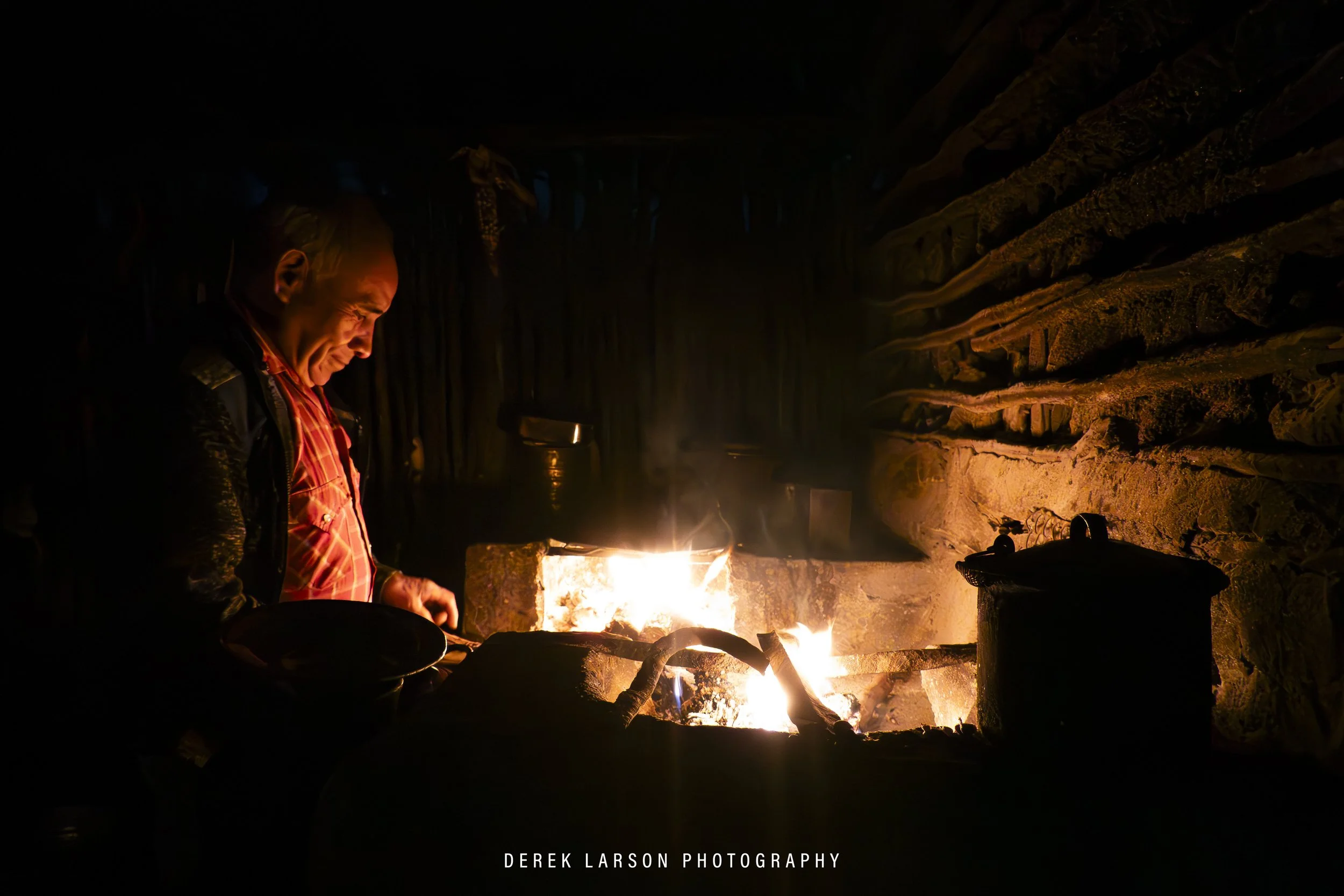
My friend Valentín, a Xi’uiy (Pame), warming himself by the fire in his kitchen. These simple moments and friendships are what make exploring the Sierra Gorda so special.
The Sierra Gorda has no shortage of spectacular mountain views. You can find beautiful ridgelines, dramatic cliffs, and mist-covered peaks throughout the region. But nothing I've encountered compares to the turquoise-colored waters of the Río Santa María.
This is a landscape best experienced slowly. You can hike along old trails above the river, descend into its canyons, discover secluded swimming spots, and experience sections of the river that remain far removed from conventional tourism.
My preferred way to travel here is by packraft. Outside the more technical canyon sections, the river is generally Class I, making it potentially suitable for novice paddlers under appropriate conditions. A packraft allows you to combine hiking and paddling, opening up possibilities that would be difficult to experience on foot alone.
However, river conditions change significantly throughout the year. Water levels, current speed, strainers, and other hazards must be evaluated before every trip. Class I water does not automatically mean a river is safe for inexperienced paddlers.
What makes this area even more special is its people.
The Xi'uiy, also known as the Pame, have deep cultural roots in this part of San Luis Potosí. The families I've encountered here have been remarkably hospitable, and the opportunity to learn about local life adds a dimension to these adventures that scenery alone cannot provide.
For me, this is what makes Los Caminos Ancestrales de los Xi'uiy the premier hiking area in the Sierra Gorda: the combination of an extraordinary landscape and meaningful cultural experiences.
When to visit: October through April.
October and November can bring faster-moving water, depending on rainfall and river levels. These months are best suited to people with appropriate swimming ability and paddling experience, particularly when conditions are elevated. March and April can be extremely hot, making the hiking portions more demanding, but the river can provide a welcome reward at the end of a long day.
This isn't simply a place to check off a trail. It's an area to experience.
2. El Avatar
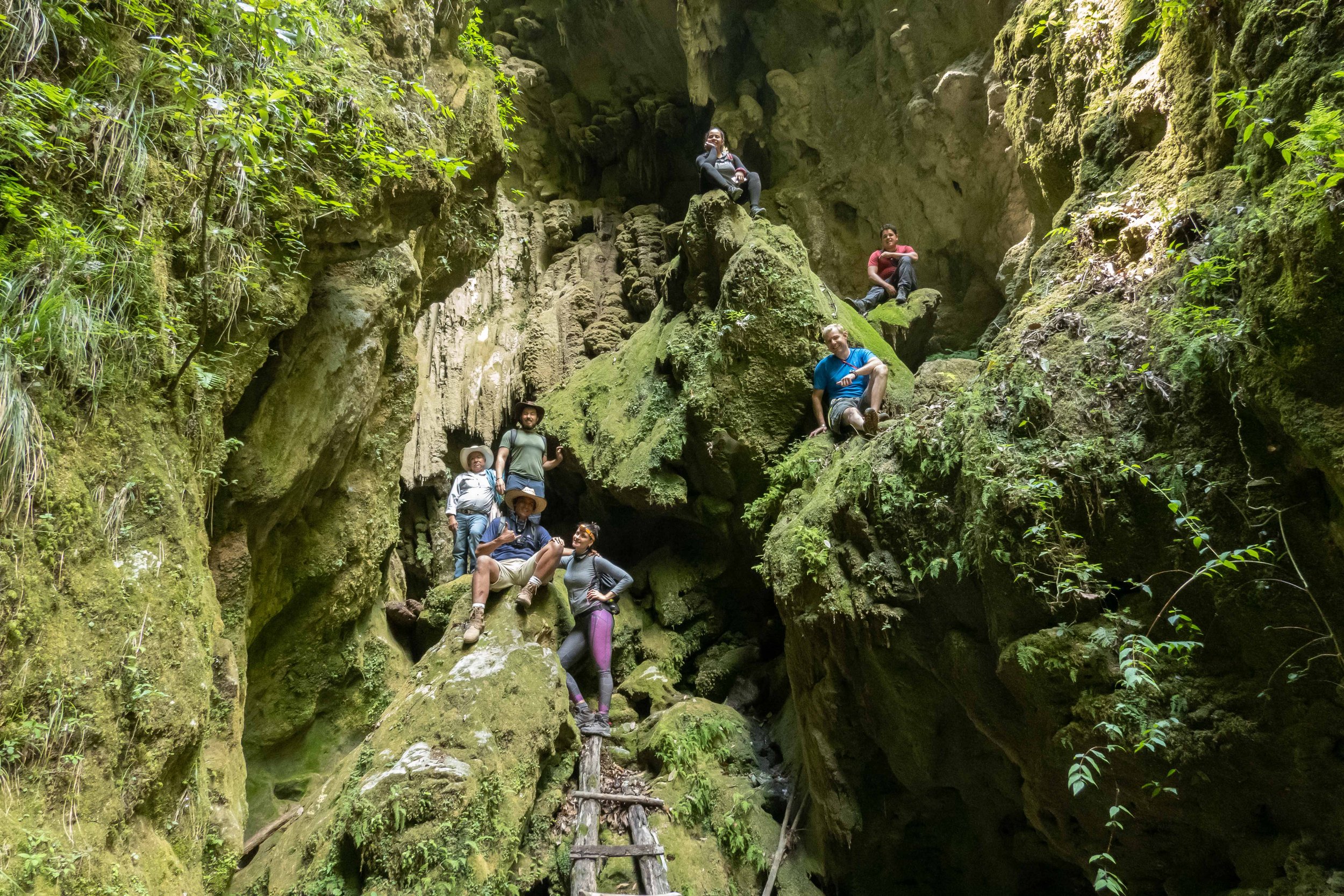
El Socavón, in El Cantón, Pinal de Amoles, is a remarkable vertical tunnel equipped with ladders that descend into the mountain.
In the mountains around El Cantón, in the municipality of Pinal de Amoles, there is an area I've come to call El Avatar.
The name comes from the landscape itself. The steep, rugged mountains, often covered in mist and clouds, remind me of the fantastical scenery in the movie Avatar. On the right day, the mountains seem to disappear into the clouds, revealing an almost otherworldly landscape.
But El Avatar is more than a beautiful view.
The area offers an impressive variety of experiences, making it one of my favorite destinations for a multi-day adventure in the Sierra Gorda.
One highlight is the viewpoint atop Cerro del Infiernillo, where the surrounding mountains unfold in every direction. Another is El Socavón, a vertical cave or tunnel that adds an element of exploration to the journey.
There is also a small ranchito where visitors can spend the night, enjoy a locally prepared meal, and experience the hospitality of rural mountain life. Nearby, a canyon offers another reason to explore beyond the main trails.
And if you're interested in wildlife, El Avatar is not far from Sauz de Guadalupe, where military macaws can sometimes be observed in the afternoons. These are the same species found at the famous Sótano del Barro, one of the region's best-known natural attractions.
When to visit: August through October.
This is my favorite time to experience El Avatar. During the rainy season, the mountains become lush and green, clouds move through the valleys, and mist transforms the landscape throughout the day. Conditions can be muddy, and heavy rain can make trails and crossings hazardous, so flexibility is essential.
If you're looking for a Sierra Gorda experience that combines mountain scenery, caves, local hospitality, wildlife, and a little exploration, El Avatar deserves a place on your list.
3. Los Tres Estados
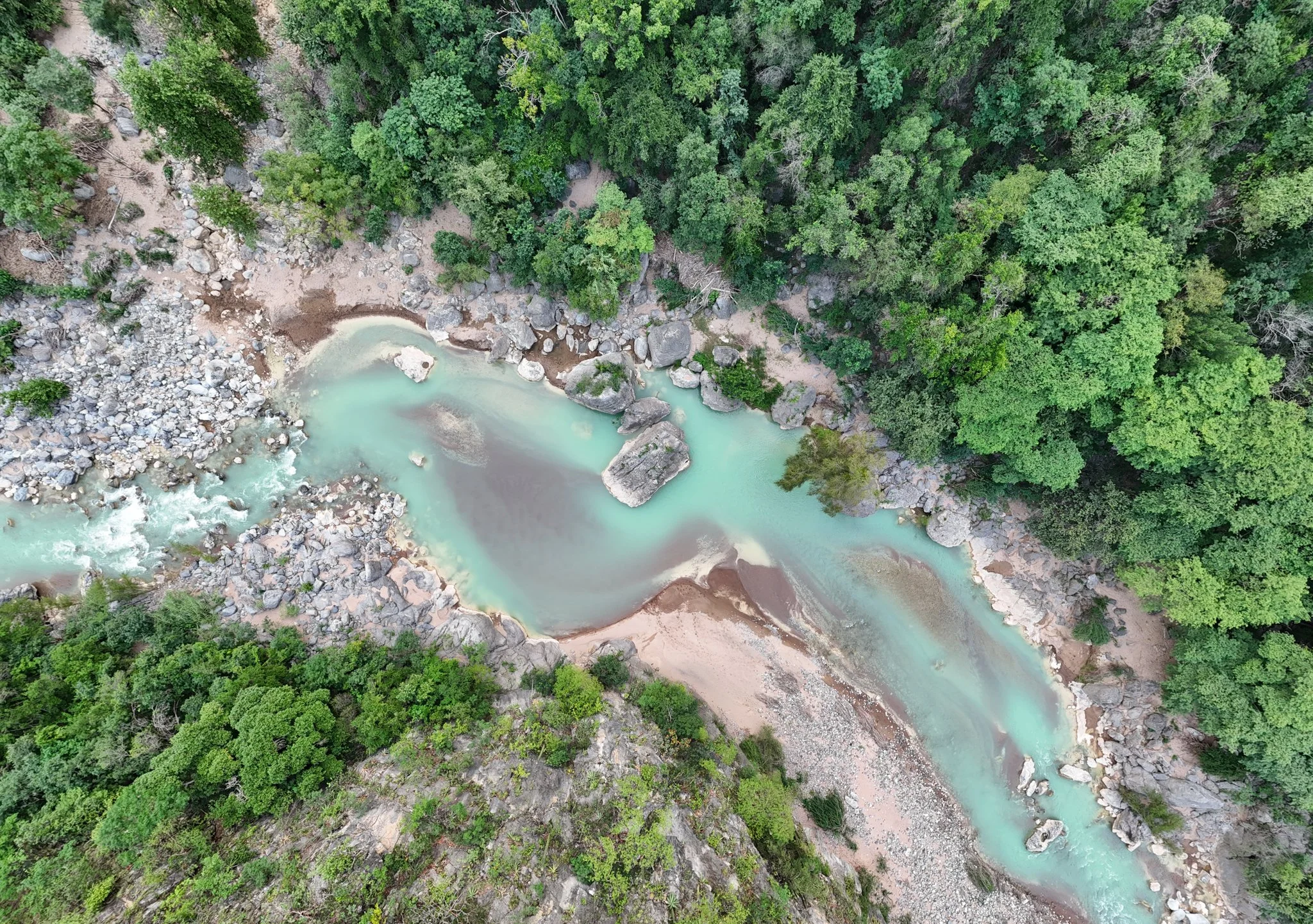
Piedras Cuatas, where the states of Querétaro, Guanajuato, and San Luis Potosí meet.
For those looking for something more demanding, Los Tres Estados offers an entirely different kind of Sierra Gorda adventure.
Here, near the meeting point of Querétaro, Guanajuato, and San Luis Potosí, the landscape becomes increasingly remote. This is not an area where you should expect well-marked trails, regular services, or easy access to assistance.
Instead, you're entering a rugged landscape where preparation, physical fitness, navigation, and self-sufficiency matter.
The remoteness is precisely what makes this area so appealing to me. It offers the opportunity to explore a side of the Sierra Gorda that remains largely outside the usual tourist circuit.
Depending on conditions and the route selected, Los Tres Estados can be experienced as a demanding hike or as a hike-and-packraft expedition incorporating sections of the Río Santa María.
This is not an adventure I'd recommend to someone simply looking for a scenic day hike. Participants need to be physically fit, comfortable with challenging terrain, and prepared for a remote outing.
When to visit: October through December.
These months are generally a good starting point for planning an expedition, although actual weather and river conditions must determine whether a particular trip goes ahead.
Los Tres Estados is for people who want to go beyond the familiar viewpoints and discover a wilder side of the Sierra Gorda.
4. Expedition Xichú: Where Adventure Meets Guanajuato's Living Culture

A young girl in traditional clothing atop Cerro del Oro in Cristo Rey, Guanajuato.
West of Los Tres Estados lies the municipality of Xichú, Guanajuato, an area that I consider one of the Sierra Gorda's hidden gems.
If the Sierra Gorda has a rugged side, Xichú turns it up another notch. The terrain can be demanding, the communities are remote, and the experience feels raw and authentic.
But what really distinguishes Xichú is its culture.
This is huapango country, where music, dance, and community traditions remain an important part of everyday life. The cultural events here can be extraordinary, offering visitors an opportunity to experience a side of Mexico that is far removed from the country's better-known tourist destinations.
The landscape is equally impressive.
You'll find spectacular viewpoints, deep canyons, waterfalls, and isolated communities connected by old trails and mountain roads. One of my favorite places in the entire Sierra Gorda is Cristo Rey, near the summit of Cerro del Oro. The views are remarkable, but the cultural significance of the community makes the experience even more meaningful.
Visiting places like Cristo Rey is also a reminder that these landscapes are not empty wilderness. People live here, maintain traditions, and have their own relationship with the land. Whenever possible, visitors should contact the community or arrange a visit with a local guide before arriving.
My Expedition Xichú adventure combines hiking and exploration with opportunities to experience the region's culture and history.
When to visit: It depends on the particular route and the cultural events you want to experience. For longer expeditions, late autumn and winter can offer favorable conditions, although weather and access should always be checked.
For hikers who want more than a trail and a viewpoint, Xichú offers an unforgettable combination of adventure, landscape, and culture.
5. Tapanquito: Exploring a Forgotten Corner of Querétaro
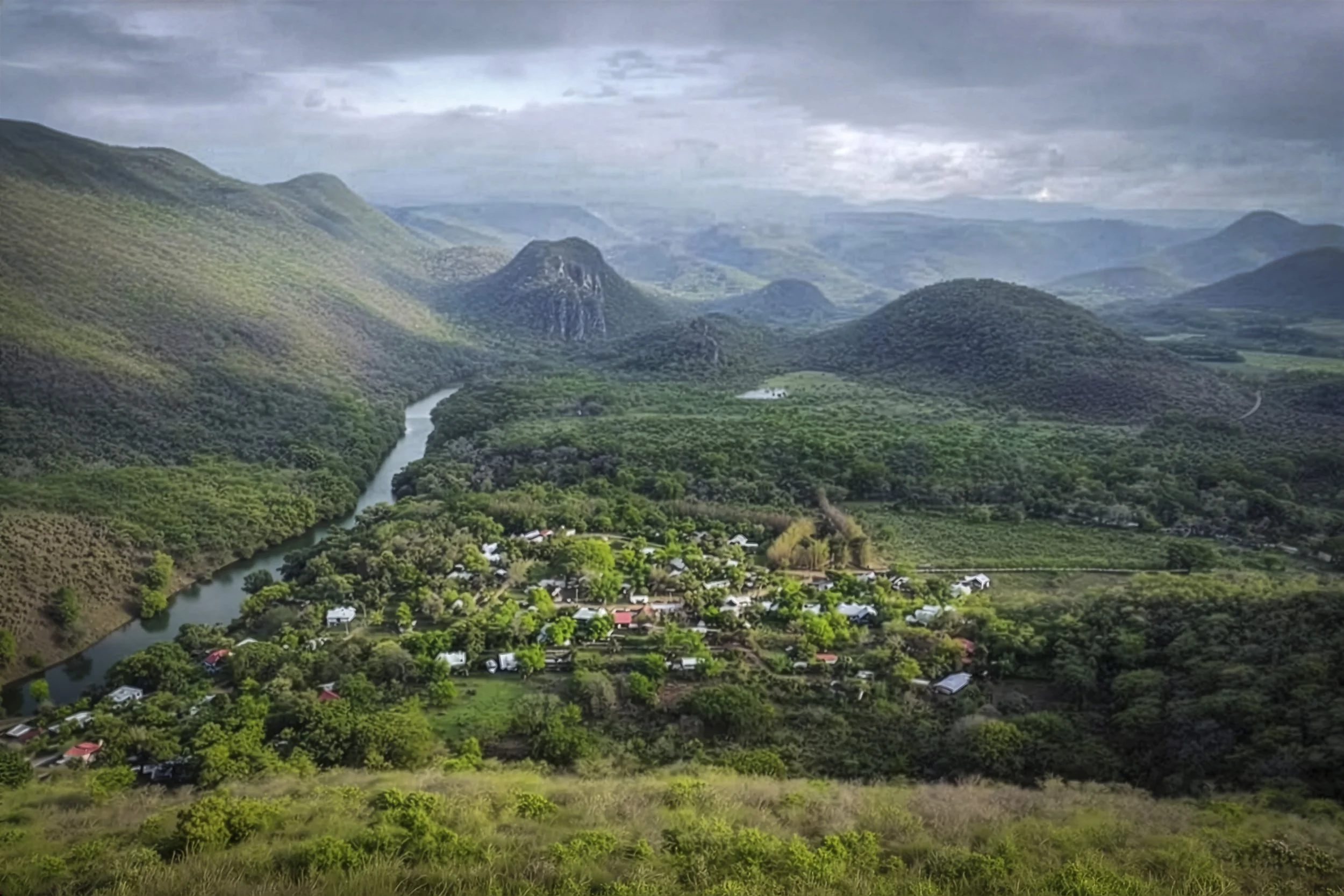
Tapanquito: a little-known adventure in the northeastern corner of Querétaro, where the Sierra Gorda meets the Huasteca Potosina.
<insert photo of Tapanquito or the Río Santa María>
In the northeasternmost corner of Querétaro, along the border with San Luis Potosí, lies an area that few people ever get to experience.
I call this adventure Tapanquito, after a ghost town along the route.
This is one of those places that reminds me why I continue exploring the Sierra Gorda. Even after years of traveling through the region, there are still remote corners where the landscape feels undiscovered and the possibilities for adventure seem endless.
Tapanquito offers the opportunity to hike along a section of the Río Santa María, or float through parts of it by packraft, experiencing a stretch of river that most visitors will never see.
The route also includes a cave and the possibility of spending the night in a hammock near a natural spring. Imagine finishing a day of exploration, settling into a hammock beside clear spring water, and spending the night far from roads, crowds, and the usual distractions of everyday life.
The appeal of Tapanquito is not luxury or convenience. It's the chance to experience a little-known corner of the Sierra Gorda through a combination of hiking, river travel, and exploration.
The landscape here also reflects the transition between the Sierra Gorda and the Huasteca Potosina, two regions with their own distinctive environments and character.
When to visit: After the heavy rains have passed and conditions have been assessed. The best timing depends on river levels, access, and the state of the trails.
Tapanquito is a destination for adventurous travelers who appreciate remote places and don't need a developed tourist infrastructure to enjoy an experience.
6. Mission Impossible: For Those Who Aren't Afraid of Heights

The summit of Cerro del Sapo, overlooking the Moctezuma River far below.
Finally, there is Mission Impossible, an extreme adventure along the border between Querétaro and Hidalgo.
The name should give you an idea of what to expect.
This route is not for everyone. If you have a fear of heights, struggle with exposed terrain, or are uncomfortable with technically demanding scrambling, this is not the adventure for you.
Mission Impossible involves challenging terrain, exposed rock faces, and river crossings that can become dangerous depending on conditions. The route includes crossing a river twice and scrambling up steep, near-vertical rock faces. Some sections have historically required climbing without a rope, or free-soloing, which carries potentially fatal consequences if a hold fails or a climber falls.
I have not yet taken a group on this route, although I plan to introduce it in 2027. When I do, participation will be limited to people who have previously traveled with me and whose abilities I have had an opportunity to assess.
That restriction is intentional. On an adventure this demanding, knowing the route is only part of the equation. Understanding the people accompanying you, their experience, and their ability to manage exposure and difficult terrain is equally important.
Even experienced hikers can underestimate the difference between a challenging trail and an exposed scrambling route. Conditions must be suitable, and the trip may need to be canceled if the river or rock faces are unsafe.
Mission Impossible represents the more extreme end of what the Sierra Gorda has to offer. It isn't about racing to the summit or proving something to other people. It's about tackling difficult terrain with sound judgment, realistic expectations, and respect for the consequences of a mistake.
When to visit: Planned for selected trips in 2027, subject to route assessment and conditions.
This is an adventure for a very limited group of experienced participants, not a general-purpose guided hike.
Which Sierra Gorda Adventure Is Right for You?
Each of these six destinations offers something different.
For turquoise water and cultural immersion: Los Caminos Ancestrales de los Xi'uiy.
For misty mountains, caves, and rural hospitality: El Avatar.
For remote wilderness and a demanding expedition: Los Tres Estados.
For culture and dramatic landscapes: Expedition Xichú.
For secluded river travel and a little-known corner of Querétaro: Tapanquito.
For extreme terrain and exposed scrambling: Mission Impossible.
There is no single best hike for everyone. The right choice depends on your physical condition, experience, interests, and the kind of adventure you're seeking.
Some routes are about slowing down, enjoying a river, and getting to know the people who call the mountains home. Others are about covering difficult terrain, navigating remote country, and pushing yourself beyond your usual limits.
The common thread is that these are places worth experiencing firsthand.
Exploring the Sierra Gorda With Santa Maria Expeditions
I created Santa Maria Expeditions to share the places I've spent years exploring, particularly the remote trails, river corridors, and canyons surrounding the Río Santa María.
Many of these routes didn't come from a guidebook or a list of established tourist attractions. They developed through exploration, conversations with local residents, the discovery of old trails, and repeated trips to understand what each area has to offer.
My goal is to offer more than a conventional guided hike. I want visitors to experience the Sierra Gorda's landscapes, communities, and lesser-known corners in a way that is thoughtful, adventurous, and respectful of the people who live here.
Not every route is suitable for every person, and not every adventure runs year-round. Weather, river levels, access, and participant experience all influence when and how we travel.
If you're planning a visit to the Sierra Gorda and want to experience something beyond the usual destinations, take a look at the adventures offered by Santa Maria Expeditions.
Website: https://www.santamariaexpeditions.com
Whether you're interested in hiking ancient trails, exploring remote canyons, paddling the Río Santa María, or discovering the cultural heart of Xichú, there is much more to the Sierra Gorda than meets the eye.
And after years of exploring it, I still believe some of the best adventures are the ones that take you a little farther off the beaten path.